A body of work nobody was looking for: Gert Zech and the long road to the catalogue raisonné
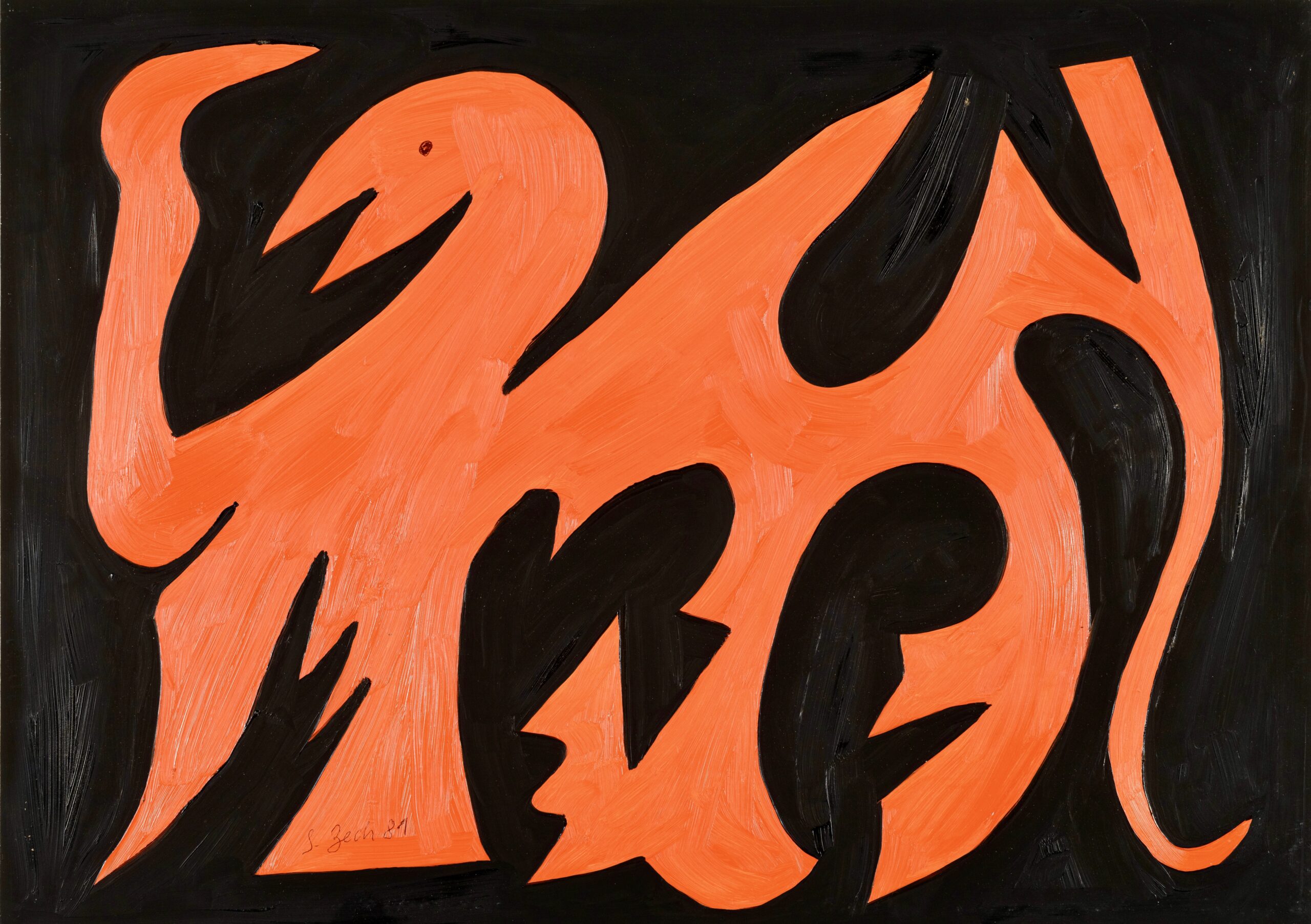
Around 1,400 paintings, some 6,000 drawings, sculptures, prints, his own poetry volumes – and for decades hardly anyone who knew about it. Some projects begin with a commission. This one began with a tip.
In spring 2024, a lead took me to the Stuttgart area, to Ebersbach an der Fils. What I found there was not a collection of works, but a cosmos: hundreds of coloured pieces, stacks of ink drawings, sculptures, etchings, his own poetry volumes – and an extensive library of art, literature and philosophy that revealed how seriously someone had worked here over decades. The artist: Gert Zech, born in 1937 in Eislingen an der Fils, self-taught, raised by foster parents, employed full-time in industry.
There are moments in this profession when you immediately know you are not standing before an estate, but before a task. This was one of those moments.
Why a catalogue raisonné?
A body of work of this scale, created over decades outside the art world, has a structural problem: it exists, but it is not visible. It can neither be classified nor assessed, neither exhibited nor sold responsibly, as long as nobody knows what it actually comprises. Without cataloguing, each individual work remains a chance find.
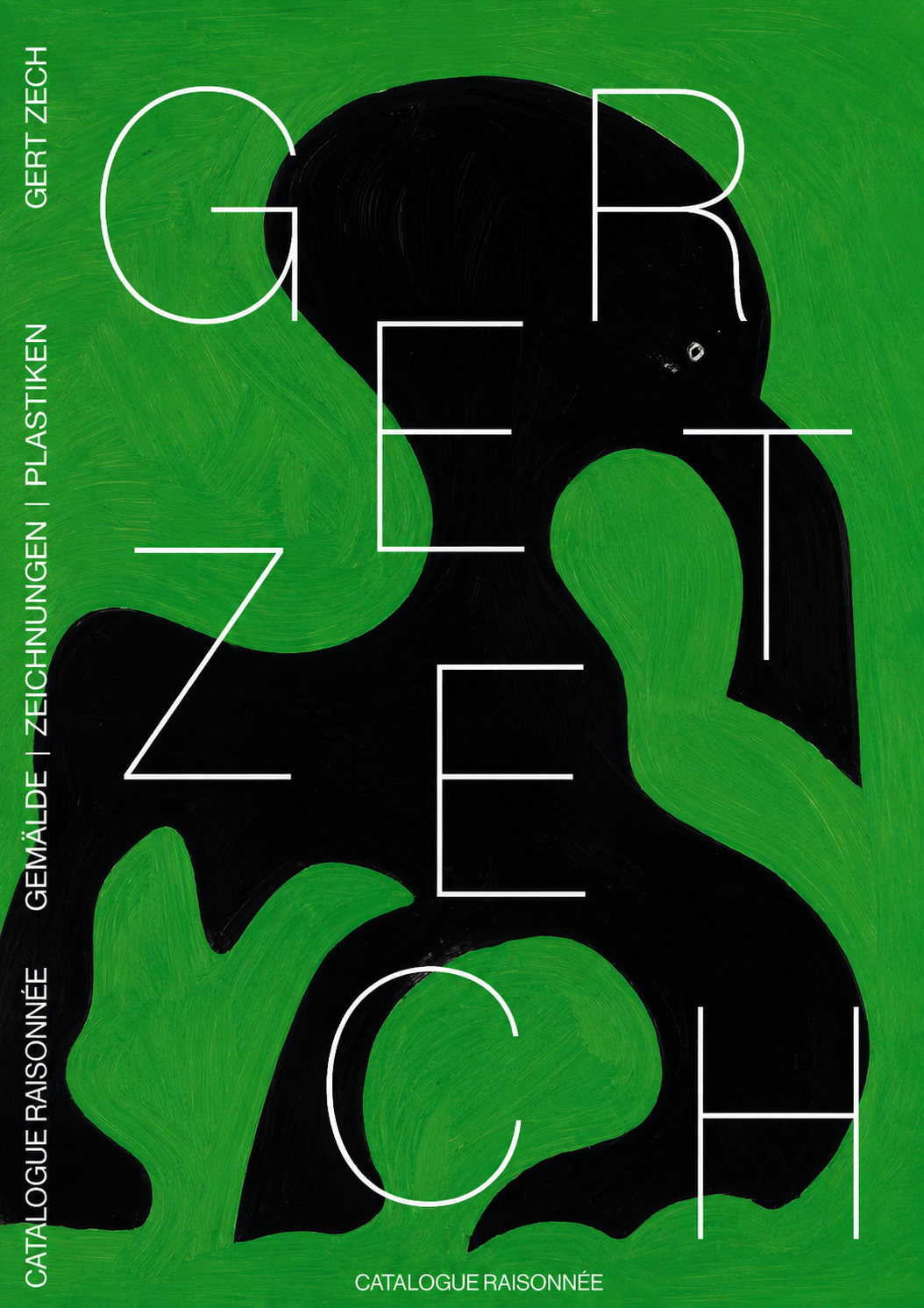
Together with the Zech family, the decision was therefore made to catalogue the entire oeuvre, place it in an art-historical context, and make it visible for the first time in a broader framework. I took on the coordination of this catalogue raisonné – and with it responsibility for everything that lies between the first box on the shelf and the printed book:
- Review and systematisation – record every work, assign numbers, date, measure, and form groups of works. With a holding of this magnitude, the logic of organisation is not a formality, but half the work.
- Photographic documentation – consistent, colour-accurate, in a quality that holds up for print as well as for later digital use.
- Art-historical editing – together with Dr Hoge, whose text situates the oeuvre between individual expressive art, the European post-war avant-garde and Art Brut.
- Editing, layout and printing – from image selection and the volume’s structure through to production support. A catalogue raisonné is printed once and then cited for decades. Errors remain.
What the work tells us
Zech began painting as a self-taught artist around 1952, initially guided by the naturalistic landscapes of his foster father and by postcard templates. But the desire to break away from that came quickly. He later put it succinctly himself: “Normal painting, the way everyone paints, didn’t interest me.”
So he worked his way through modernism on his own – whole days in Stuttgart libraries, through art literature, in search of other possibilities. Tachisme and Art Informel became formative, but above all his encounter with Jean Dubuffet and Dubuffet’s concept of Art Brut. There he felt he belonged: among the self-taught, the outsiders, those whose expression is not filtered through academic conventions.
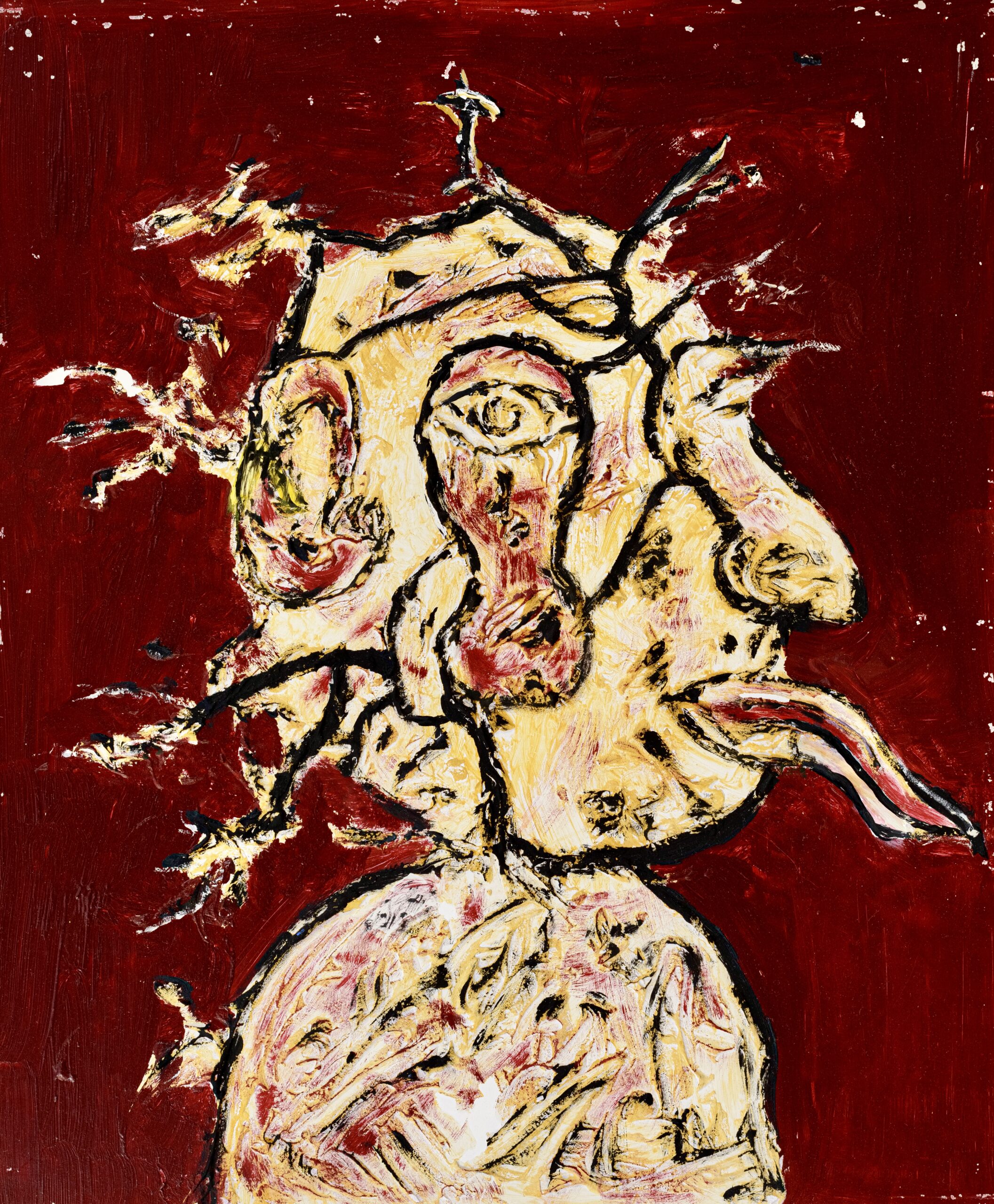
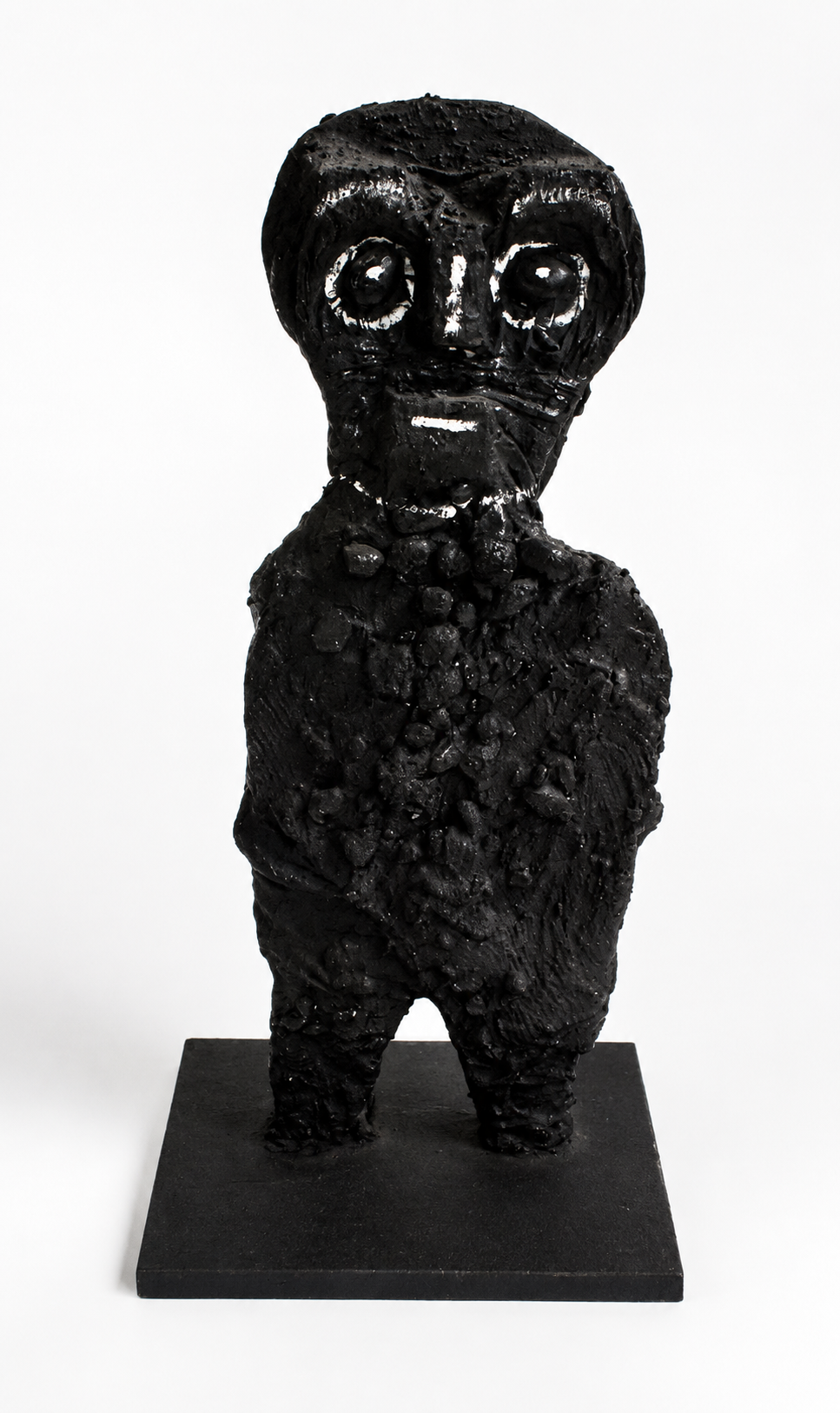
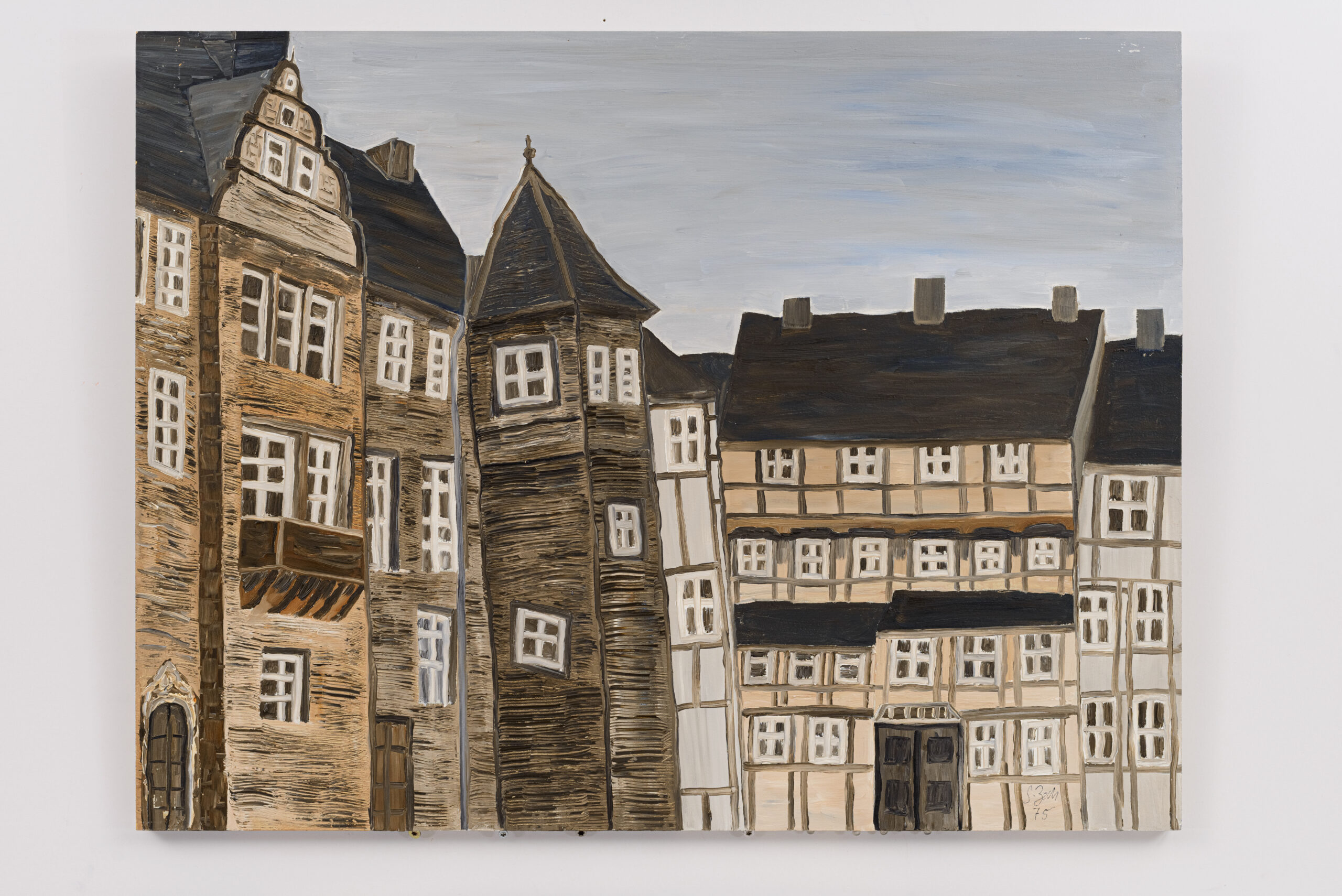
From the 1970s onwards, his visual language is established: reduced form, intense colour, and above all the line – often laid down in a single flowing stroke in ink, in the sense of an “écriture automatique”. The central motif is heads and figures: furrowed faces, fragmented physiognomies, an almost archaic intensity. Alongside these are animals and mythical creatures, deserted cities, silhouette-like biomorphic forms, and materially heavy assemblages of the 1980s. From the 1980s onwards, writing was added – poems he described as the same automatism as drawing, and whose results sometimes surprised even him.
He painted on whatever was available: cardboard, wood, the backs of paper, found objects. That, too, is Art Brut – not as a pose, but as a matter of course.
Recognition largely failed to materialise. Only in the early 1990s did the psychiatrist and collector Manfred in der Beek happen upon the works by chance and acquire several pieces. Zech continued to paint. For him, artistic work was less a profession than a way of life – and a means of staying alive.
The work does not end with the book
That is precisely the point that is easy to overlook with catalogues raisonnés: the book is not a conclusion, but a foundation. I continue to steward the Gert Zech estate – the conceptual processing, the presentation of selected works via ARTTRD, enquiries about individual works, and the step-by-step further development.
Because a catalogued body of work is one that can be exhibited, compared, researched, classified and passed on responsibly. Zech worked his entire life without an audience. It was time for one to be added.
More on this: Collections & Estates · Artist website: gert-zech.de · Order the catalogue raisonné: ARTTRD