Manage art assets – recorded, valued, documented, and disposed of at the right moment.
Anyone managing art for others bears responsibility for values not listed on any bank statement. Whether as a legal guardian, executor, asset manager, or family office: managing art assets means knowing what is present, what it is worth, and what happens to it in an emergency. I will assist you precisely with this – from the initial inventory to the disposal, when it becomes necessary.
Inventory & Valuation
Complete recording of the inventory and a transparently derived market value assessment – as a basis for your decisions, for insurance values, and for accountability to courts, heirs, or clients.
Catalogue Raisonné & Digitalization
Every work photographed, described, assigned, and digitally recorded – including provenance and condition. My detailed approach is described under Digitalization.
Ongoing Management of the Inventory
Insurance values monitored, storage and condition checked, market developments observed. An inventory that is valued once and then forgotten ultimately costs money – usually precisely when things need to move quickly.
Disposal, when necessary
If a sale is required or desired: private sale, auction, or mediation to collections – discreetly, at the right time, and with full accounting. For the process involving entire collections, see Collections & Estates.
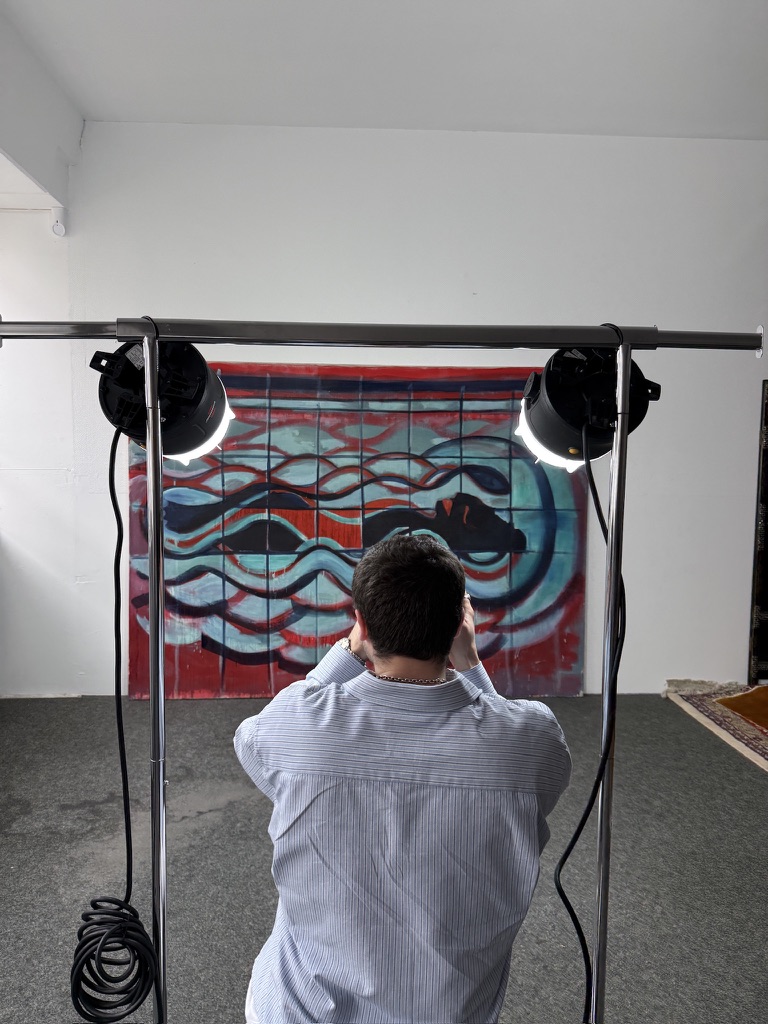

Two collections, two catalogues raisonnés – and in both cases, first order, then value.
Before one can seriously discuss values, it must be established what is actually present. This order is the most common – and most expensive – mistake in practice.
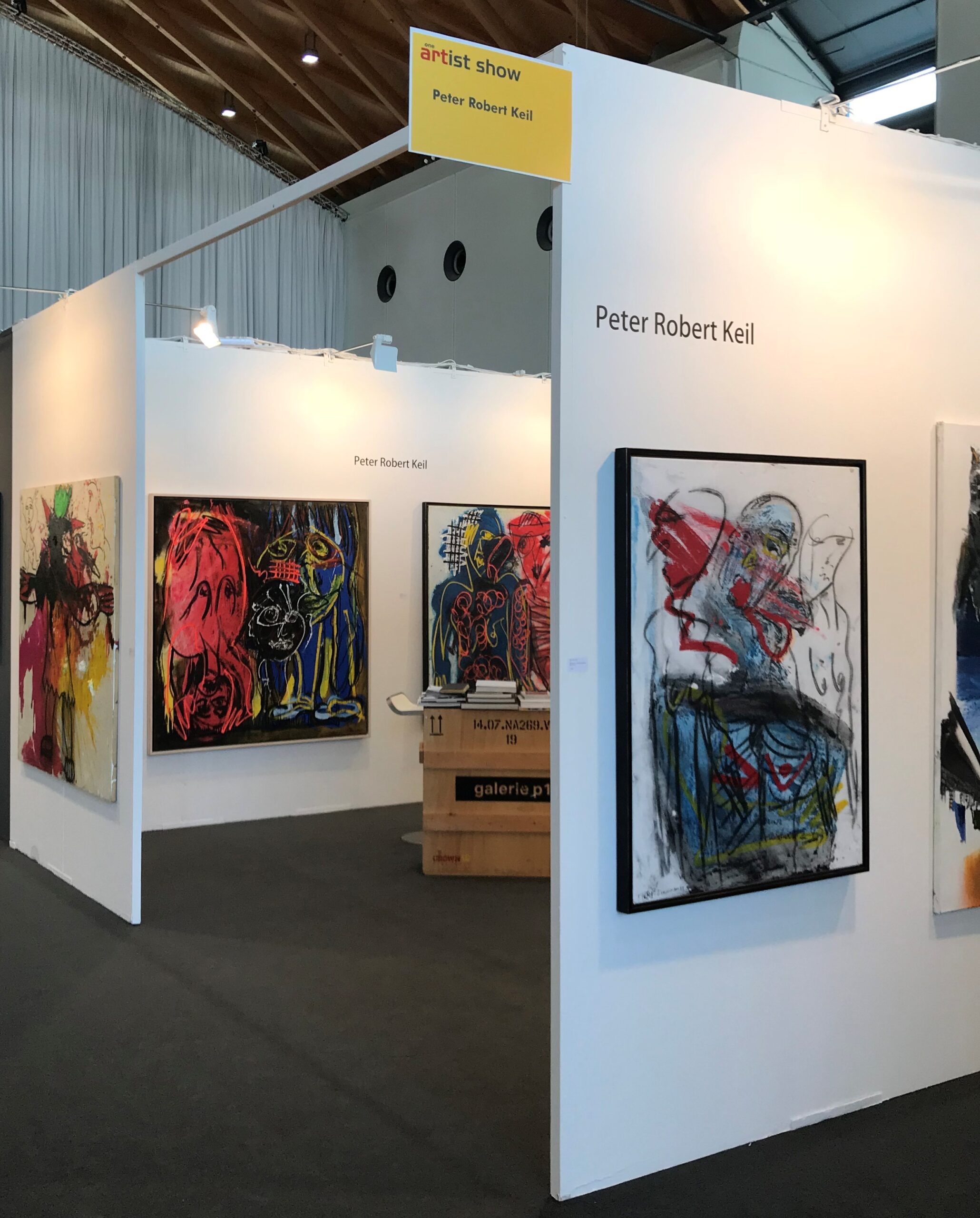
Keil Collection Heidelberg
For the Keil Collection, I manage the catalogue raisonné of Peter Robert Keil’s works and the AI-supported authenticity verification – a process that makes attributions reliable where previously only expert knowledge could decide. For heirs and administrators, this is the difference between an inventory with market value and one with question marks.
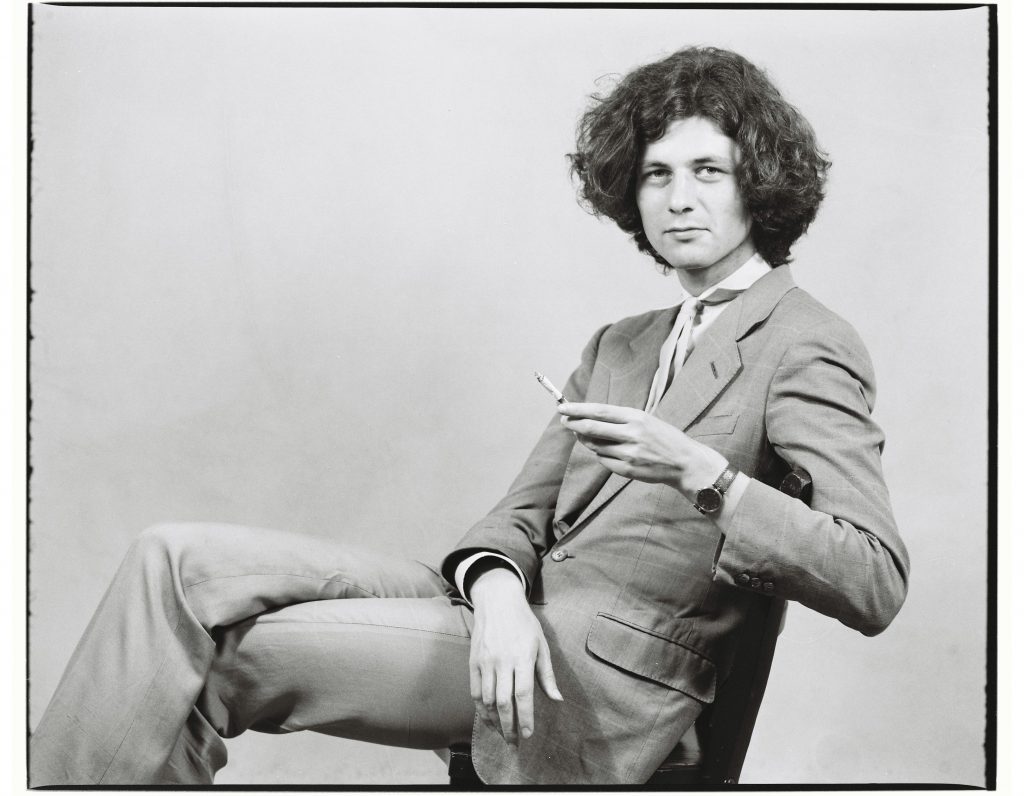
Matthias Maaß Collection
Here, I assist with the catalogue raisonné, digitalization, and estate matters. The first step was the same as always: record what is there. Only a complete, documented inventory allows for statements about value and marketability – and only then can responsible decisions be made.
Managing Art Assets: My Approach
Each step can be commissioned individually. Many mandates begin with a pure inventory – whether this leads to ongoing management or disposal is decided by you later.
Confidential Initial Consultation
What is present, what is your role, what deadlines or approvals need to be observed? Non-binding and discreet – even if it is not yet clear whether anything should happen at all.
On-site Inventory
Inspection, photography, and recording of the entire inventory – including condition, framing, signatures, and all available provenance documents: invoices, certificates, exhibition records, correspondence.
Valuation & Classification
Market assessment per object and for the entire inventory, each with disclosed comparative basis. Where a formal appraisal is required – for example, for approval by the guardianship court or for the tax office – I collaborate with a publicly appointed and sworn expert and coordinate this for you.
Catalogue Raisonné & Documentation
Preparation as a digital catalogue raisonné, from which excerpts can be generated at any time – for insurance, the court, the community of heirs, or a prospective buyer, without you having to disclose the entire inventory.
Disposal or Ongoing Management
Depending on the assignment: discreet disposal with full accounting – or continuous management of the inventory with regular updates of values and condition.
Who I work for
Four very different roles, one common point: you are responsible for art that does not belong to you – and must be able to justify your decisions.
Legal Guardians
If art is part of the assets of the person under guardianship, you need clarity about the inventory and value – and usually the approval of the guardianship court for a sale. I record and value the inventory in a way that allows you to present it to the court, and if desired, I coordinate the necessary expert appraisal.
Executors & Estate Administrators
When art is part of an estate, much depends on the valuation: division, equalization claims, inheritance tax. I create a documented inventory that allows you to account to heirs and the tax office – and prevents future disputes from arising.
Asset Managers & Banks
For clients with art holdings, I undertake valuation, documentation, and, if desired, disposal – without you having to build your own expertise in the art market or refer your clients to an auction house.
Family Offices
Collections grow over generations and are rarely systematically recorded. I build the catalogue raisonné, keep insurance values current, and assist with acquisitions and sales – long-term, privately, and with a dedicated contact person.
Confidentiality is not an extra service
Anyone managing art for others almost always has reasons not to do so publicly: family circumstances, tax matters, the privacy of a person under guardianship – or simply the concern that a publicized sale would depress the price. Names, inventories, and conditions therefore remain strictly confidential. The references on this website are only here because the parties involved have explicitly agreed.
In the case of a sale, this specifically means: objects can be discreetly brokered to selected collectors, dealers, and institutions without the inventory ever appearing in a public catalog.
A valuation that stands the test of time
A number without justification is worthless to a court, a tax office, or a community of heirs. Every valuation is therefore transparently derived: comparable auction results, condition, provenance, and market situation on the valuation date – all disclosed, not as a black box.
Where a formal appraisal is additionally required, I collaborate with a publicly appointed and sworn expert. You receive both from a single source and do not have to coordinate yourself.
Managing Art Assets – Questions & Answers
What is an art collection worth – and who is allowed to value it?
The value is derived from comparable sales, condition, provenance, and current market situation. Important: It varies depending on the purpose – an insurance value is regularly significantly higher than the realistically achievable selling price, and both figures are correct.
Anyone with the necessary market knowledge is generally allowed to provide a valuation. However, for purposes where a court or authority decides, an appraisal by a publicly appointed and sworn expert is usually required – I coordinate this for you.
As a legal guardian, do I need approval to sell art?
Generally, yes: The disposal of assets belonging to the person under guardianship is usually subject to the approval of the guardianship court, and the court expects a verifiable valuation for this. How this is to be handled in your specific case should be clarified with the court or your legal counsel – I am not a lawyer.
My task is the other half: to prepare the inventory and value in such a way that you can substantiate your decision, and then to carry out the disposal in a way that truly reflects the determined value.
What belongs in a catalogue raisonné?
For each work: image, artist and attribution, title, dating, technique, dimensions, signature and inscriptions, condition, framing, provenance, and all available documents – invoices, certificates, exhibition and literature records.
Digitally recorded, an excerpt can be generated at any time: for insurance, for the court, for individual heirs, or for a prospective buyer, without disclosing the entire inventory.
How does the valuation of a managed or inherited collection proceed?
First, the on-site inventory: Every object is photographed and recorded, along with its condition and available documents. Then, the classification based on comparable sales and the current market situation, documented with the comparative basis provided.
For manageable inventories, this takes a few days; for larger collections, it takes correspondingly longer. You receive the result as a catalogue raisonné with a valuation – not just a list of numbers.
How discreet is a sale?
As discreet as you wish. In a private sale, objects are specifically brokered to selected collectors, dealers, or institutions – without a public catalog and without names or origins needing to be mentioned.
A public auction is the more transparent, but also the visible, path. We decide which is appropriate for each object group – often a combination of both yields the best economic result.
What does the valuation of a collection cost?
Inventory and valuation are billed based on effort – depending on the scope of the inventory and the condition of existing documents. You receive an estimate in advance, not an open invoice.
If a disposal subsequently occurs, the remuneration for it is success-based as a share of the proceeds. The initial consultation is non-binding.

Do you manage art that does not belong to you?
In the initial consultation, we will clarify, without obligation and confidentially, what needs to be done in your case – and in what order.