Art realization in insolvency: assets of the estate – valued, realized, and documented with robust evidence for every audit.
Corporate museums, factory archives, art at the company headquarters, or in a private insolvency: Art realization in insolvency must be swift, profitable, and withstand any audit by the creditors’ committee and the court. I handle exactly that – from the initial inspection to the final settlement of proceeds.
Inventory Review & Valuation
Rapid recording and realistic valuation of all art and collection objects in the estate – as a robust basis for decision-making for the administrator and the creditors’ committee.
Realisation strategy & coordination
Private sale, public auction or placement with collections – the most economically sensible route for each group of objects, coordinated with the administrator and the creditors’ committee.
Implementation of the realisation
Swift execution without loss of value due to time pressure: auction, direct sale or placement – with the aim of achieving the best possible proceeds for the estate.
Documentation & reporting
Complete, court-proof documentation of valuation, realisation route and proceeds – prepared for the creditors’ meeting, creditors’ committee and insolvency court.
120 years of manufactory history, concluded with dignity – and sold out to the very last piece.
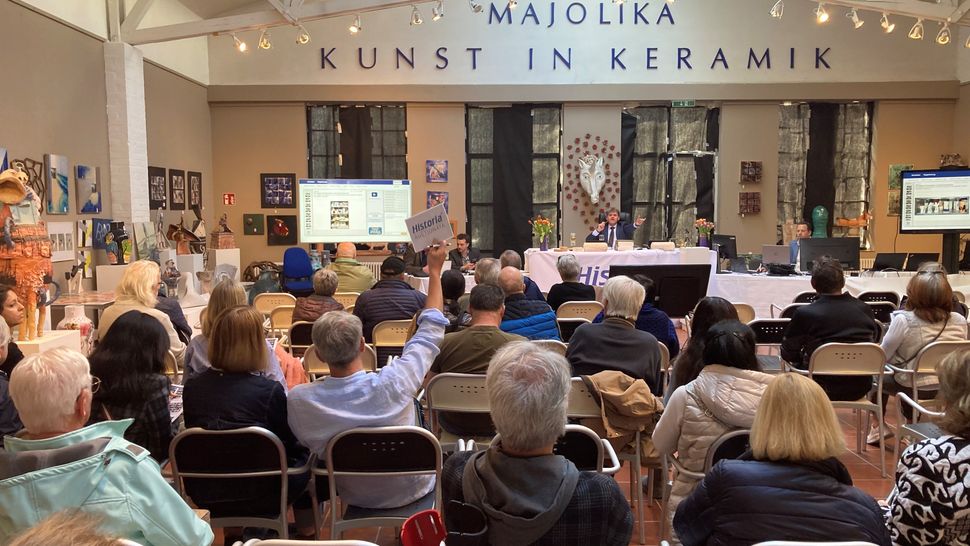
During the dissolution of the Staatliche Majolika Manufaktur Karlsruhe, I took responsibility for realising the entire works inventory: catalogued and valued over 10,000 objects in three months, developed a viable realisation strategy, and organised and conducted the final auction.
The result: a fully documented, transparent realisation process with maximum proceeds – under ongoing press and public scrutiny, without reputational risk for those involved. A project of this scale and pace shows what is possible even when realisation must be carried out under time pressure.
How art realisation in insolvency works
Time is scarce in insolvency – but due diligence is still non-negotiable. The process is therefore clearly scheduled, from the first confidential enquiry through to the proceeds statement.
Confidential Initial Consultation
Initial situation of the estate, first assessment of the art and collection objects, clarification of the timeframe – non-binding and discreet, including in preliminary proceedings.
Inventory Review & Valuation
Recording and valuation of all art objects in the estate, as well as review of possible third-party rights of separation and preferential satisfaction – as a basis for the administrator and the creditors’ committee.
Realisation strategy & coordination
Private sale, public auction or placement – prepared as a decision template for the creditors’ committee or creditors’ meeting.
Implementation of the realisation
Auction, direct sale or placement with collections and institutions – implemented swiftly to avoid loss of value due to time pressure or storage.
Documentation & reporting
Transparent proceeds statement and complete documentation of the entire realisation route – for submission to the court and the creditors’ committee.
Who I work for
Art in the estate is rarely the norm – but when it occurs, it requires particular care. These are the constellations I encounter most frequently.
Insolvency administrators & administrators in self-administration proceedings
For companies with a company museum, works archive or museum holdings, I handle inspection, valuation and realisation – documented and audit-proof at all times vis-à-vis the creditors’ committee and the court.
Law firms with industrial mandates
For law firms that regularly handle standard insolvency proceedings for manufacturing businesses, manufactories or long-established companies, I am a reliable partner for the special case of “art in the estate” – repeatable and without onboarding effort.
Creditors’ committees
I prepare the valuation and realisation strategy so that it is comprehensible at the creditors’ meeting and the maximisation of proceeds is demonstrable for all parties involved.
Personal insolvency with art holdings
Even when artworks or a private collection become part of an individual’s insolvency estate, I ensure a fair valuation and a realisation process that does justice to the actual value of the pieces.
Private sale, auction or placement
Not every object belongs in the same auction. For individual pieces with a clear market price, a private sale is often the fastest route to the best possible proceeds; for larger, heterogeneous holdings or collections with public interest, a public auction is usually the more transparent solution and the one that generates higher proceeds – as with the Majolika Manufaktur Karlsruhe.
For each group of objects, I provide a realistic assessment of which route will achieve the highest proceeds for the estate, and I set out the approach transparently – as a basis for decision-making, not a black box.
Robust for the creditors’ committee and the court
Many holdings include objects that do not belong to the estate at all: leased assets or collateral, retention of title, third-party loans. Before any realisation, possible rights of separation and preferential satisfaction must therefore be reviewed – only then are those assets realised that clearly form part of the estate.
I document the valuation, realization method, and use of proceeds throughout, ensuring they withstand scrutiny from the creditors’ committee, creditors’ meeting, and insolvency court at any time. If the matter is not an insolvency proceeding but the orderly dissolution of a collection, you will find the procedure described under Museum Dissolution.
Art realisation in insolvency – Questions & Answers
How is art realised from an insolvency estate?
First, the holdings are fully inspected, valued and reviewed for third-party rights of separation and preferential satisfaction. Then, for each group of objects, the most economically sensible route is chosen: private sale, public auction or placement with collections and institutions. The entire process is documented and presented transparently to the administrator and/or the creditors’ committee.
Does art at the company headquarters belong to the insolvency estate?
Generally yes, provided the objects are owned by the debtor and are not encumbered by third-party rights. This is precisely the first step of the audit: executive offices and reception areas often contain loans, leased works, objects under retention of title, or pieces in the private ownership of the shareholders. Only after this distinction is made is it clear what can actually be realized.
What is a private sale – and when is an auction worthwhile?
In a private sale, an object is sold directly to a buyer without a public bidding process – usually faster and with less effort. A public auction, by contrast, is worthwhile for larger or heterogeneous holdings, for pieces with uncertain market value, or when the transparency of a bidding process vis-à-vis the creditors’ committee and the public justifies the additional effort.
Who values art in insolvency proceedings?
In practice, the valuation is carried out by an art expert on behalf of the administrator – market knowledge for the specific group of objects is crucial, as prices for paintings, ceramics, prints, or design objects are formed in completely different ways. I record and value the inventory and disclose the basis for comparison. If a formal expert report is required beyond this, I work together with a publicly appointed and sworn expert.
How quickly can the realisation be carried out?
For manageable holdings, individual sales are often possible within a few weeks. Larger holdings such as those of the Majolika Manufaktur Karlsruhe (over 10,000 objects) took around three months between the initial inspection and the final auction. The timeframe is assessed realistically in the initial meeting and aligned with the deadlines of the proceedings.
What does the realisation cost the estate?
As a rule, remuneration is success-based as a share of the realisation proceeds, so that the estate generally incurs no upfront costs. The initial meeting and a first assessment of the holdings are non-binding.
How are the creditors’ committee and the court involved?
The valuation and realisation strategy are prepared so that they can serve as a decision template for the creditors’ committee or the creditors’ meeting. After realisation, the administrator receives transparent, complete documentation of the valuation, realisation route and proceeds for submission to the insolvency court.
What happens to artworks with rights of separation or preferential satisfaction?
Before any realisation, I review whether objects are encumbered by transfer of ownership by way of security, retention of title or third-party loans. Such pieces do not flow into the free realisation of the estate, but are handled and documented in accordance with the respective rights of separation and/or preferential satisfaction – protecting the administrator and the estate from later claims.
Does this also apply to personal insolvencies with art holdings?
Yes. Even when artworks or a private collection become part of an individual’s insolvency estate, I ensure an appropriate valuation and a realisation process that reflects the actual value of the pieces – rather than a blanket sale below value.
Are you administering an estate with art or collection holdings?
In an initial meeting, we will clarify on a non-binding and confidential basis how the holdings can be realised quickly, transparently and with the best possible proceeds for the estate.