The Matthias Maaß Collection – An Artist’s Estate That Remains Alive
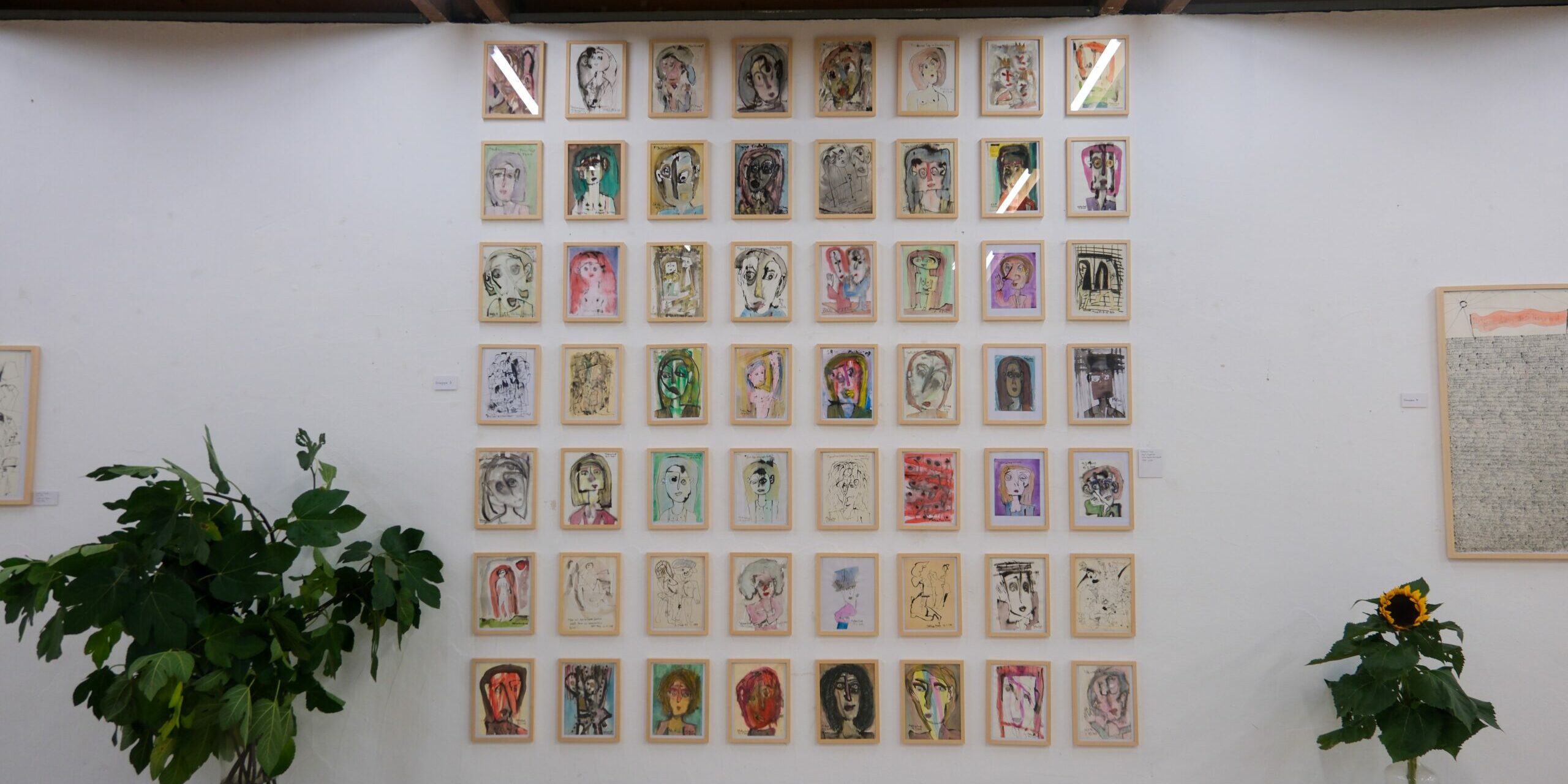
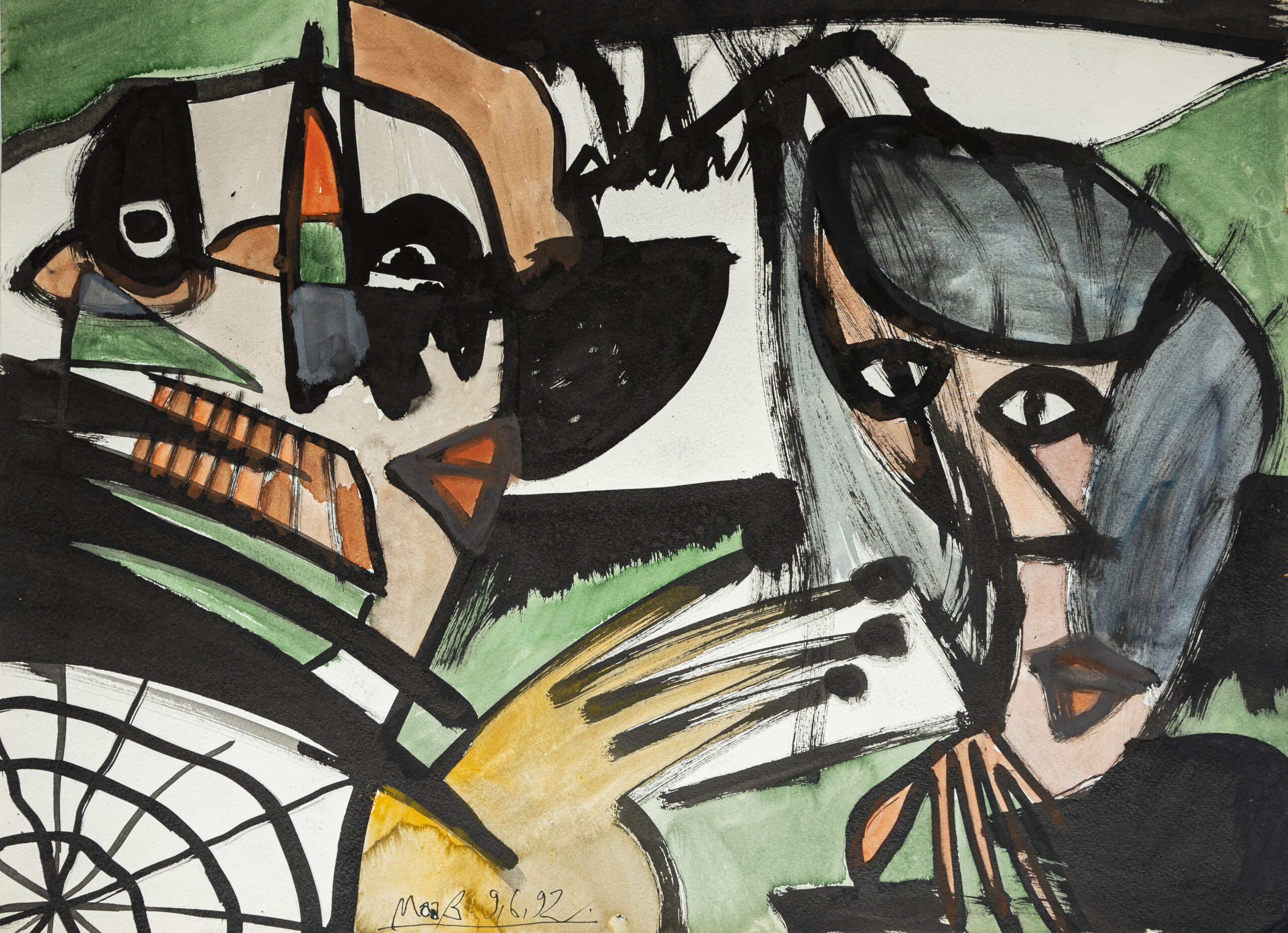
Matthias Maaß (1958–2019) was a Heidelberg institution: an original draughtsman and painter whose sensitive ink and watercolor works combine poetry and profundity – and a well-known local figure. The Matthias Maaß Collection emerged from a long-standing private friendship between the artist and my family – long before it became a professional responsibility.
Following the artist’s death in 2019, the question arose that presents itself with every artist’s estate: How does one preserve a life’s work – while keeping it alive? I have overseen the processing of the estate from the outset: from examination and cataloguing to public visibility.
The Catalogue Raisonné
The foundation of any serious estate work is documentation: Together with art historian Dr. Kristina Hoge (Galerie p13), works from the Collection’s holdings and other collections were examined, photographed, certified, and entered into the Matthias Maaß Catalogue Raisonné. Only this structure makes an estate accessible to museums, collectors, and the market.
Exhibitions – From Gallery to Museum
Over the years, I have supervised several exhibitions: from the memorial exhibition at Galerie p13 to the opening at the Xylon Museum to the major retrospective “Matthias Maaß – fragil · poetisch · abgründig” at Museum Haus Cajeth in 2025 – featuring a poetry slam and the premiere of the composition “Neue Bilder einer Ausstellung” by Marco Hertenstein. Works by Maaß are now also on view in the Prinzhorn Collection at Heidelberg University Hospital, most recently in the exhibition “Wer bin ich? Bilder der Identitätssuche”. At art KARLSRUHE, the Collection was presented to a broad fair audience.
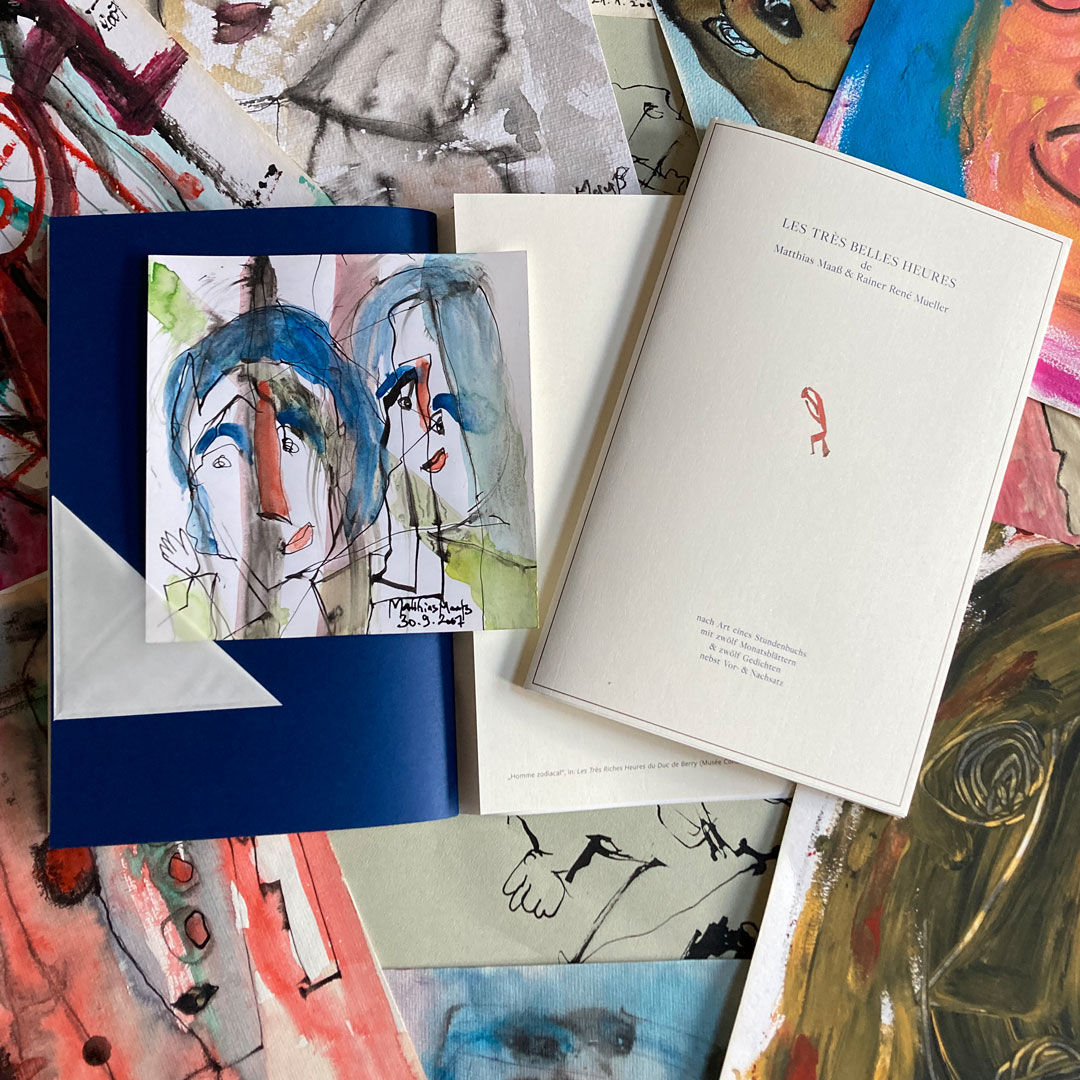
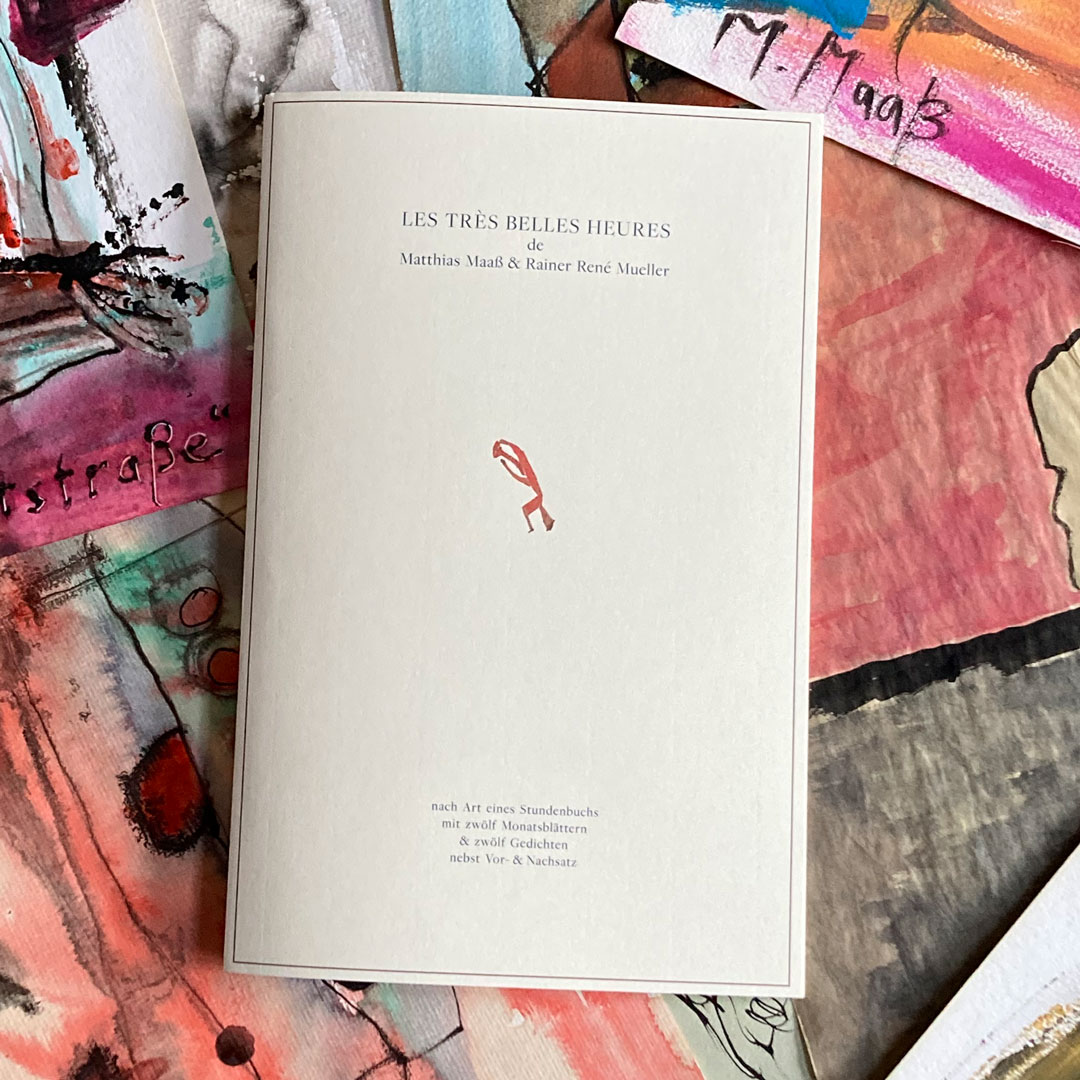
The Poetry Volume “Les Très Belles Heures”
A special project: the bibliophile volume “Les Très Belles Heures” with poet Rainer René Mueller – twelve poems in dialogue with twelve works by Matthias Maaß, all poems read by the author and accessible via QR code. The book launch at Haus Cajeth attracted over 70 guests, including companions from Paris, Berlin, and Strasbourg.
What This Project Demonstrates
Estate work is long-term work: catalogue raisonné, exhibitions, publications, partnerships with institutions such as Haus Cajeth and the Prinzhorn Collection. Precisely this combination of documentation, mediation, and market understanding is what I offer to families and institutions facing an artist’s estate.
More information: Collections & Estates · Collection website: matthias-maass-collection.de